

Visit us at the K Trade Fair! 19 – 26 October 2022 in Düsseldorf, Germany: Hall 10, Stand Number 10H07
Products > Tests on raw materials > FNCT Tensile creep tester 1727
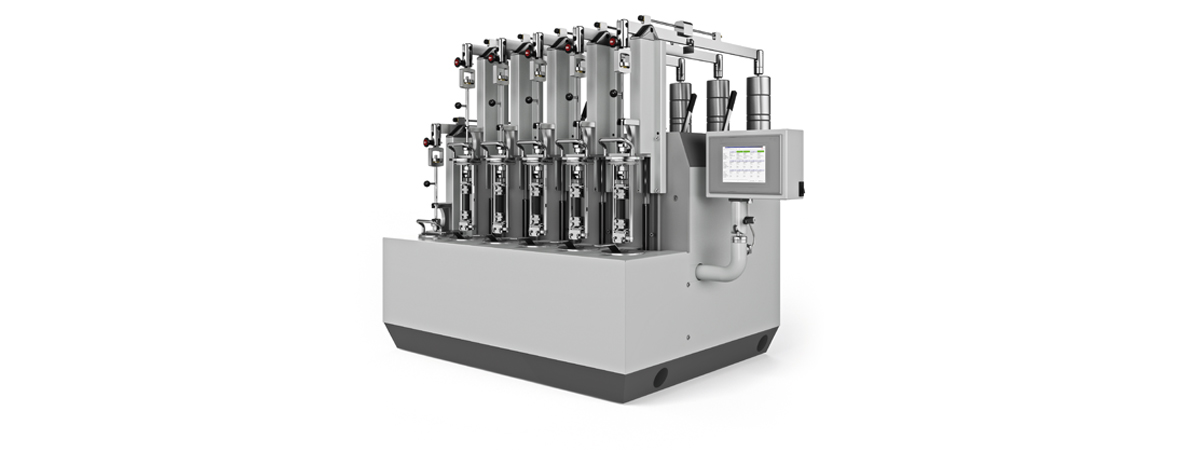
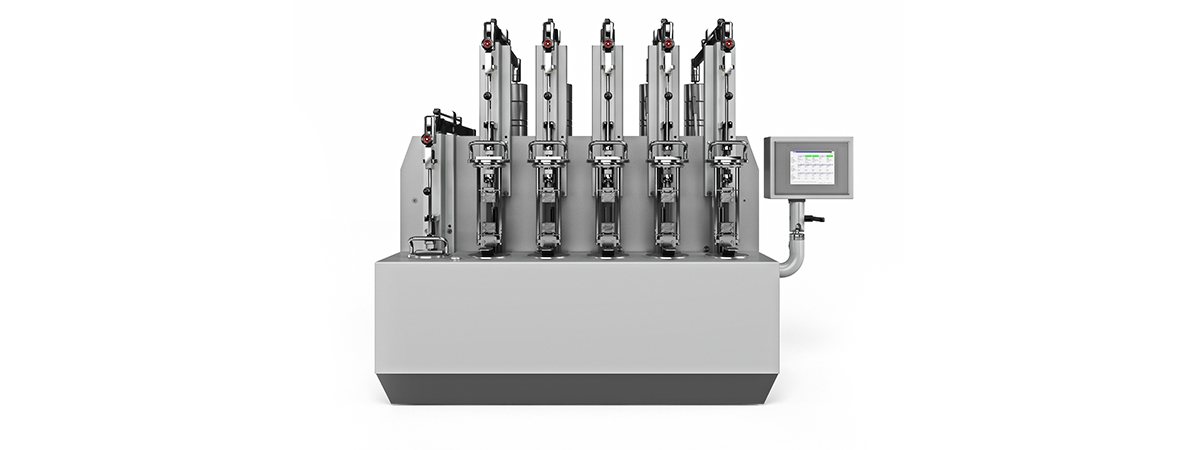
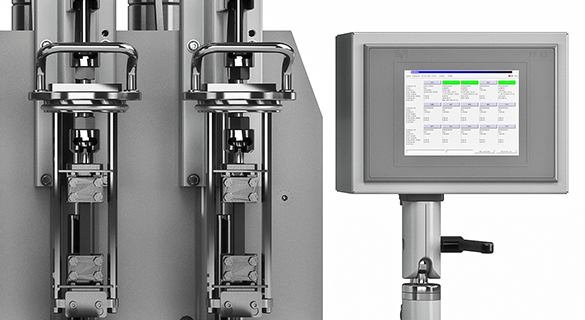
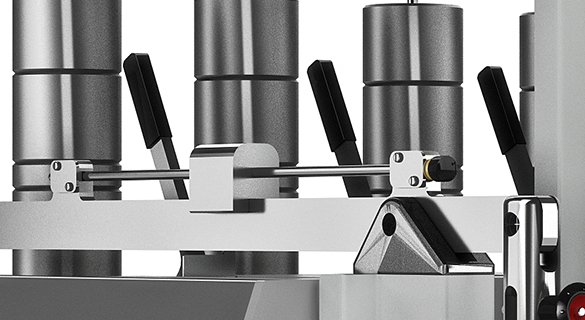
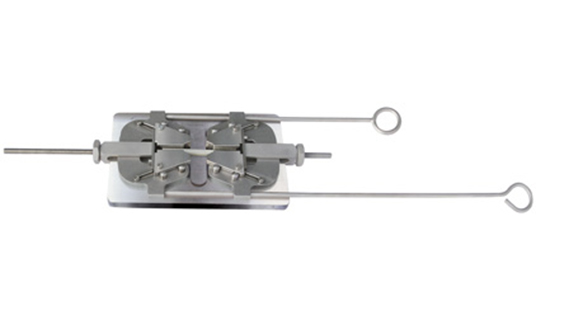
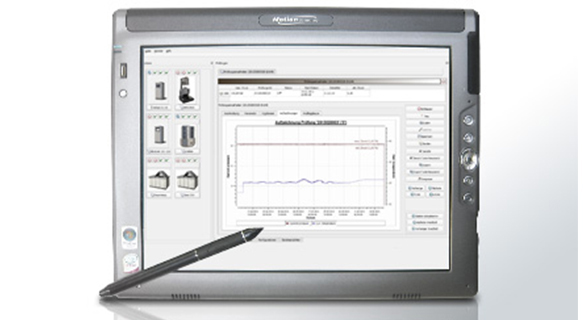
The tensile creep tester is used to determine the resistance of plastic samples in creep tensile tests. In the ISO 16770 test, the test specimen is subjected to a static tensile load in a temperature-controlled medium. The IPT tester is an all-rounder. 6 stations with 6 different temperatures from 40 °C (optionally 20 °C) up to 95 °C and variable tension levels up to 2,000 N can be programmed and operated independently of each other. The high regulation accuracy of the tension and the distance measurement accuracy, as well as the precise adherence to the predefined temperatures, distinguish the microprocessor-controlled unit. Each of the 6 test stations consists of an independent traction unit with separate controller (via PC) and separate test tank. Test samples can be added, tests started and stopped without affecting other tests in progress. As soon as the test parameters are set, the unit automatically takes over the control / regulation in interaction with the set sequence. The temperature controller of each of the 6 test tanks and the
unique recirculation ensure a constant temperature level of ±0.5 °C.
Copyright © 2021 IPT Institut für Prüftechnik Gerätebau GmbH & Co. KG
Copyright © 2021 IPT Institut für Prüftechnik Gerätebau GmbH & Co. KG
Copyright © 2021 IPT Institut für Prüftechnik Gerätebau GmbH & Co. KG